Spiritual Travel 2026: Lakshadweep's New Rules Are Finally Worth Getting Excited About — and Kailash Mansarovar Registrations Are Open
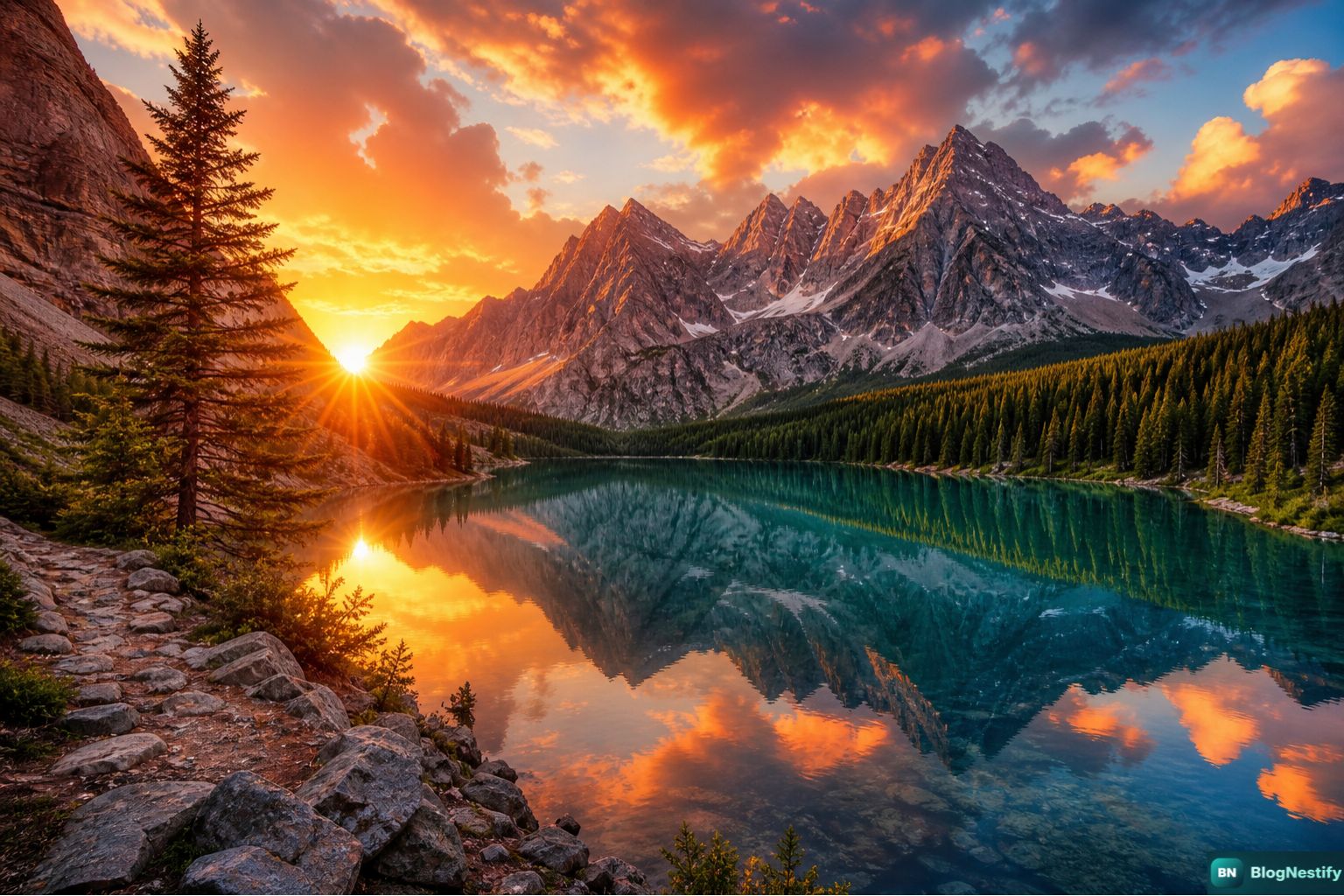
Two of India's most extraordinary destinations just got more accessible. Here's what actually changed, what it costs, and what nobody tells you before you go.
"Two destinations. One a coral island where the water is so clear you can read the shadow of a fish at ten metres. The other a sacred peak that half a billion people consider the axis of the world."
For years, both were genuinely difficult to reach — not because of geography alone, but because of paperwork, quotas, and processes that felt designed to discourage casual visitors. That's quietly changing in 2026. The Union Territory of Lakshadweep has overhauled its entry permit system, and the Ministry of External Affairs has officially opened registrations for the Kailash Mansarovar Yatra.
If you've been putting either trip on a "someday" list, someday just arrived.
Lakshadweep in 2026: What Actually Changed with the Entry Rules
India's only coral atoll territory has 36 islands, an extraordinary marine ecosystem, and — until recently — a permit system that made visiting them feel like applying for a visa to a foreign country. The new rules don't remove all restrictions, but they remove the ones that were genuinely maddening for most Indian travellers.
2026 Rule Changes at a Glance
Indian citizens no longer need a pre-approved Entry Permit (EP) for the main tourism islands — Agatti, Bangaram, Kadmat, and Minicoy. An online e-permit, applied for through the official Lakshadweep UT portal up to 15 days before arrival, replaces the old process.
Foreign nationals still require a Restricted Area Permit (RAP) from the Ministry of Home Affairs — a process that takes 4–8 weeks and needs a confirmed accommodation booking before it can be initiated.
One rule remains firm: you can visit tourism islands, but uninhabited and inhabited non-tourism islands still require a separate Resident Permit. The fragile ecosystem — and the privacy of the islanders — is the reason, and it's a reasonable one.
Why This Matters More Than It Sounds
The old process involved applying through a government portal, waiting for approval, printing physical documents, and then presenting them before you could board. For last-minute travellers, it was a dealbreaker. For families planning a holiday, it introduced enough friction that most people chose the Maldives instead.
The e-permit changes that. You apply online, get a digital confirmation, and arrive. It's a small administrative shift that makes the whole trip feel like a normal holiday rather than a government project.
What hasn't changed — and shouldn't — is the cap on tourist numbers. The total number of tourists allowed on any given island on any given day is limited, which keeps Lakshadweep from turning into another Goa. Book early, especially for October–December when demand spikes.
Which Islands Are Actually Worth Visiting
Agatti is where you'll fly in — it has the only civilian airport in Lakshadweep. The lagoon here is genuinely stunning, and the snorkelling off the beach requires no boat at all. Bangaram, a 30-minute boat ride from Agatti, is the most resort-like experience — the Bangaram Island Resort is the only property there, and it's good. Kadmat is narrower and quieter, popular with divers. Minicoy, the southernmost island and one of the newest additions to the tourism permit list, has a distinct Mahl culture different from the other islands — it felt like a different country the first time I read about it.
Best for First-Timers
- Agatti — Easy access, good beach
- Bangaram — Relaxed, private-ish
- 3–4 night stay is enough
- Book SPORTS packages for value
- October–February = best weather
Best for Divers & Explorers
- Kadmat — Known dive sites
- Minicoy — Culture + coral
- Plan 5–7 nights minimum
- Hire local guides for reef spots
- Avoid June–September entirely
How to Get There (and What It Costs)
Flights to Agatti run from Kochi and Bengaluru, operated primarily by IndiGo and Alliance Air. Prices vary wildly — booked three months out, you'll pay ₹8,000–₹15,000 return. Leave it to three weeks before and it can double. The flight takes about 90 minutes from Kochi.
Ships from Kochi are the budget option — 14–18 hours depending on the vessel, with berths starting around ₹1,200 — but getting a reservation is genuinely difficult. The online booking system for Lakshadweep ships has historically been unreliable, so check the official Lakshadweep Administration website and book the moment slots open.
Kailash Mansarovar Yatra 2026: Registrations Are Open — Here's the Full Picture
The Kailash Mansarovar Yatra is not a holiday. I want to be clear about that before anything else. It's one of the most physically demanding pilgrimages on earth, reaching altitudes above 5,600 metres, conducted in remote terrain shared between India, Nepal, and Chinese-administered Tibet. People have died on it. People have also described it as the most profound experience of their lives. Often the same people.
Registrations for the 2026 Yatra are now officially open through the Ministry of External Affairs portal at kmy.gov.in. The window fills quickly — if you're considering applying, read this section in full and act before May ends.
Key Facts: Kailash Mansarovar Yatra 2026
Routes: Two — Lipulekh Pass (via Uttarakhand, more trekking) and Nathu La Pass (via Sikkim, partly by vehicle through Tibet). The Lipulekh route is the traditional one; Nathu La is newer and slightly more accessible for those with less trekking experience.
Season: June to September. Batches of 60 pilgrims depart roughly every two weeks. Total yatris per season is capped — typically around 1,000–1,200 across all batches combined.
Eligibility: Indian citizens only, aged 18–70. BMI limit: 25 for men, 27 for women. Medical fitness certificate required. The selection process uses a computerised draw of lots when applications exceed capacity — which they always do.
Cost: Lipulekh route, approximately ₹1.5–2 lakh. Nathu La route, approximately ₹2.5–3 lakh. Both figures include transportation, accommodation, food, and Chinese visa fees. Personal gear, insurance, and medical preparation are extra.
The Two Routes — What the Difference Actually Means
The Lipulekh route starts in Dharchula, Uttarakhand, and climbs through some of the most dramatic terrain in the Himalaya. You'll trek 18–20 km per day on several stages. The high passes are above 5,000 metres. This is the harder route, but many pilgrims find it more moving for that reason — you earn the mountain.
The Nathu La route crosses from Sikkim into Tibet and completes most of the Tibet section by vehicle. It's faster and less physically punishing on the legs, but the altitude still hits you hard — altitude sickness doesn't discriminate based on whether you walked or drove. This route is better for older pilgrims or those with limited trekking experience who are otherwise medically fit.
Both routes include the parikrama — the circumambulation of Mount Kailash itself, a 52-km circuit that takes two to three days and crosses the Dolma La Pass at 5,630 metres. That's where most of the difficulty is concentrated, regardless of which approach route you took.
Preparation Nobody Takes Seriously Enough
The medical certificate is the baseline, not the ceiling. Getting cleared by a doctor does not mean you're ready. The government's own briefing materials recommend starting cardio training four to six months in advance. That means running, cycling, stair climbing — whatever elevates your heart rate for sustained periods. If you can manage an hour of aerobic exercise at moderate intensity without stopping, you're in a reasonable starting position.
Altitude is the real variable nobody can fully prepare for from sea level. The best-studied intervention is gradual acclimatisation — spending time at intermediate altitudes (2,500–3,500m) for a week or more before the yatra begins. Some pilgrims travel to Manali or Leh a week early. It's not required, but the data on altitude sickness strongly supports it.
- Register at kmy.gov.in before applications close
- Begin cardio training minimum 4 months before departure
- Get a full medical check-up including ECG and blood pressure evaluation
- Buy specialist trekking gear — boots especially (do not borrow these)
- Carry personal altitude sickness medication (discuss with your doctor)
- Purchase comprehensive travel insurance covering high-altitude evacuation
- Plan acclimatisation stay at 2,500m+ before departure if possible
- Inform your family of the itinerary and emergency contacts
Planning Your 2026 Spiritual Travel: The Honest Comparison
These are not interchangeable trips. Lakshadweep is a place you go to rest, swim, and exist in a landscape that feels genuinely separated from the world. Kailash Mansarovar is a place you go to be tested — physically, spiritually, in whatever way those categories mean to you.
Lakshadweep 2026
- Best for: Beach, diving, silence
- Duration: 3–7 days ideal
- Cost: ₹15,000–₹60,000
- Fitness: Any level
- Permit: Online e-permit (easy)
- Season: Oct–May
Kailash Mansarovar Yatra 2026
- Best for: Pilgrimage, endurance
- Duration: 22–26 days total
- Cost: ₹1.5–3 lakh
- Fitness: High; training required
- Permit: MEA lottery draw
- Season: June–September
If you're reading this in early May, you have a decision window for both. Lakshadweep's tourism season winds down by June — book for October onwards. Kailash Yatra registrations close soon and the lottery results determine whether you go at all. Both require acting before you're ready, which is generally how all worthwhile trips work.
Frequently Asked Questions
From 2026, Indian tourists no longer need a pre-approved Entry Permit (EP) for popular islands like Agatti, Bangaram, Kadmat, and Minicoy. You apply for an e-permit online through the official Lakshadweep UT portal up to 15 days before arrival. Foreign nationals still require a Restricted Area Permit from the Ministry of Home Affairs — a 4–8 week process. Tourists are only permitted on designated tourism islands; visiting inhabited islands requires a separate Resident Permit.
Registrations are handled through the MEA portal at kmy.gov.in. Applicants must be Indian citizens aged 18–70, medically fit (BMI under 25 for men, under 27 for women), and submit a passport, medical certificates, and proof of fitness. Selection is by computerised draw of lots. The yatra runs June–September via the Lipulekh Pass (Uttarakhand) and Nathu La Pass (Sikkim) routes.
October to May is the best window. The sea is calm, underwater visibility for snorkelling and diving reaches up to 30 metres, and temperatures stay around 26–32°C. Avoid June–September — monsoon swells make boat transfers between islands dangerous and most resorts close. October–December is the sweet spot for fewer crowds before peak-season pricing kicks in.
Very demanding. The trek reaches altitudes above 5,000 metres, and the Dolma La Pass sits at 5,630 metres — oxygen levels there are roughly half what you'd find at sea level. Even fit travellers experience altitude sickness. The government requires medical fitness certificates for good reason. Three to four months of sustained cardio training significantly improves both experience and safety. Consider pre-acclimatisation at intermediate altitudes before departure.
Yes, with restrictions. Foreign nationals (excluding Pakistani nationals) can visit select tourism islands under a Restricted Area Permit (RAP) from the Ministry of Home Affairs. The application takes 4–8 weeks and requires confirmed accommodation before it can be initiated. As of 2026, Agatti, Kadmat, and Bangaram are the primary islands open to foreign visitors. Overnight stays in inhabited islands remain off-limits.
The Nathu La route costs roughly ₹2.5–3 lakh per person; the Lipulekh route is approximately ₹1.5–2 lakh. Both figures include transportation, accommodation, food, and the China visa fee, but exclude personal trekking equipment, travel insurance, and tips. High-altitude evacuation insurance is strongly recommended and is not included in the base cost.
Cheaper than the Maldives, more expensive than Goa. SPORTS packages run by the UT administration start around ₹10,000 per person for 3 nights from Kochi, including basic accommodation and meals — the most affordable option. Private resorts like Bangaram Island Resort charge ₹25,000–₹50,000 per night. Flights to Agatti from Kochi or Bengaluru are the largest single variable cost.
0 Comments
Leave a Comment